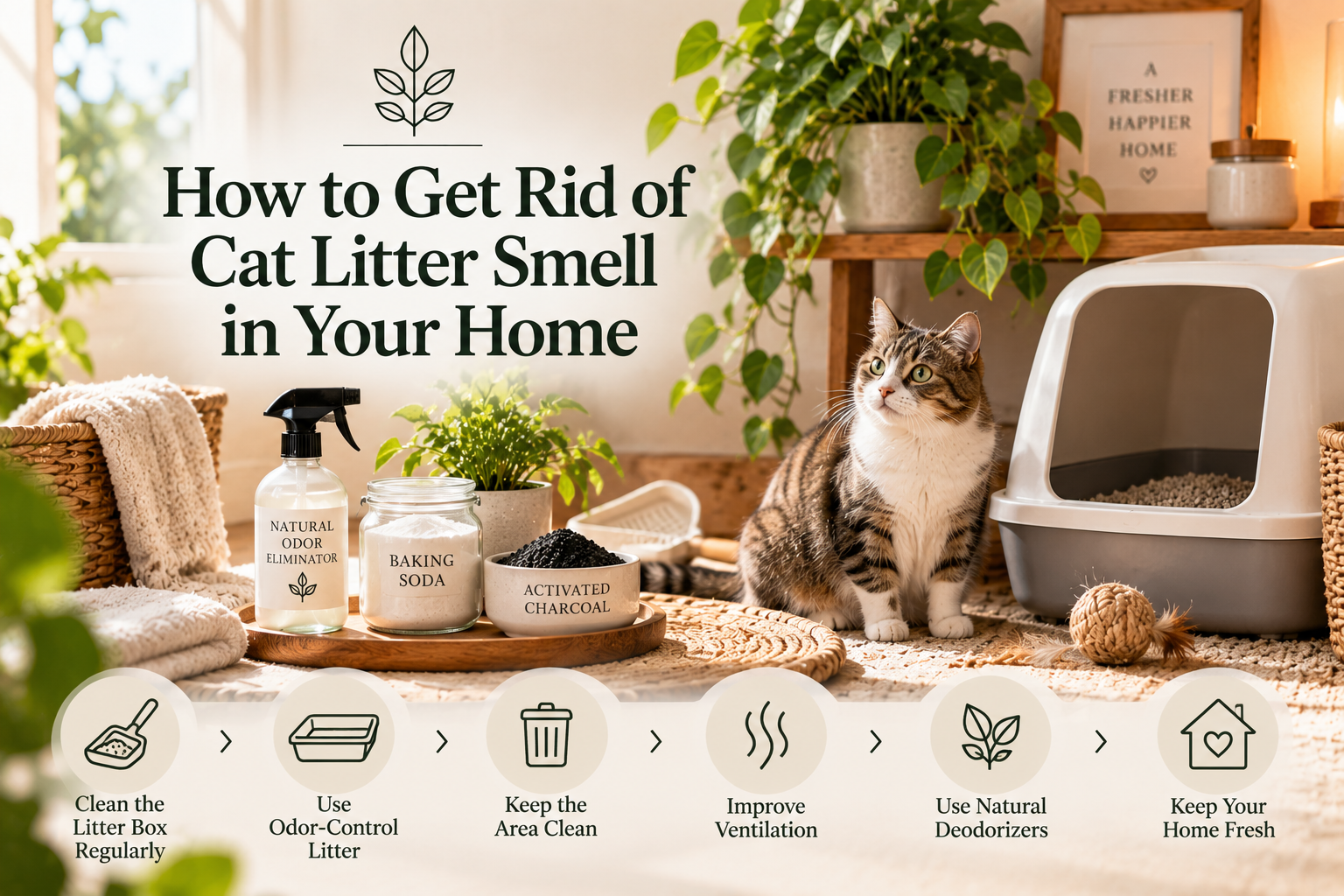
Living with a cat is rewarding, but the smell from a litter box can quickly become one of the less enjoyable parts of pet ownership. Even with regular cleaning, odors can linger in the litter, surrounding area, carpets, and air. Fortunately, you don’t need to live with a constant cat litter smell.
The key is to control odors at their source rather than simply masking them with strong fragrances. With the right litter, cleaning routine, ventilation, and home-fragrance strategies, you can keep your home smelling fresh while maintaining a comfortable environment for your cat.
1. Scoop the Litter Box Every Day
The simplest and most effective way to reduce litter box odor is frequent scooping. Urine and feces are the primary sources of unpleasant smells, and leaving them in the box allows odors to build up.
Ideally, scoop the litter box at least once a day. If you have multiple cats, you may need to clean it more frequently.
Use a sturdy litter scoop to remove solid waste and urine clumps without disturbing clean litter. Place the waste in a sealed bag or odor-controlled waste container rather than leaving it in an open trash can.
Regular scooping also encourages cats to use the litter box consistently.
2. Choose the Right Cat Litter
Not all cat litter controls odor equally. Clumping clay litter is popular because it absorbs urine and makes waste easy to remove, while some natural litters are made from materials such as wood, corn, wheat, or walnut.
When choosing litter, look for properties such as:
- Strong moisture absorption
- Effective odor control
- Low dust
- Good clumping ability
- Minimal fragrance
- Easy cleaning
Avoid assuming that heavily scented litter is automatically better. Strong perfumes may temporarily cover unpleasant odors without addressing their source, and some cats may dislike heavily fragranced products.
3. Clean the Entire Litter Box Regularly
Scooping removes waste, but the litter box itself also needs regular cleaning. Over time, urine residue can stick to the bottom and sides of the box and contribute to persistent odor.
Empty the litter completely and wash the box with warm water and a mild, unscented soap. Rinse thoroughly and allow it to dry before adding fresh litter.
Avoid harsh chemical cleaners, especially those containing strong fragrances or chemicals that could irritate your cat.
A good rule is to perform a complete litter-box cleaning every few weeks, depending on the number of cats and how quickly odor develops.
4. Use an Odor-Absorbing Material
Odor absorbers can help reduce smells around the litter box. Activated charcoal is particularly useful because it can trap odor molecules rather than simply covering them with fragrance.
You can place a commercially designed charcoal odor absorber near the litter area, provided it is positioned where your cat cannot chew or ingest it.
Some cat litter products also contain activated carbon or other odor-absorbing ingredients. For the surrounding room, a simple DIY air freshener made with baking soda can also help absorb stale odors, as long as it is kept well out of your cat’s reach.
5. Improve Ventilation
Poor airflow can make even a relatively clean litter box smell much worse. If possible, place the litter box in a well-ventilated area rather than a completely enclosed space.
Opening a window for a short period can help exchange stale indoor air with fresh air. An exhaust fan can also improve airflow if the litter box is located near a suitable ventilated area. If the whole space has started to feel stale, it is also worth reading why a house smells musty and how to get rid of it.
However, avoid placing the litter box directly in a busy or uncomfortable location. Cats generally prefer quiet, accessible areas where they feel safe.
6. Clean the Area Around the Litter Box
Sometimes the litter box isn’t the only source of odor. Small pieces of litter, urine residue, and dust can accumulate around the box and eventually contribute to unpleasant smells.
Vacuum or sweep around the litter box regularly. If you have a mat underneath the box, clean it frequently as well.
For hard floors, wipe the surrounding area with a pet-safe cleaner. If urine has reached a carpet or upholstery, use an enzymatic pet-odor cleaner designed specifically for urine. Enzymatic cleaners help break down organic residues that ordinary surface cleaners may leave behind.
7. Don’t Forget the Litter Box Mat
A litter mat is useful for catching pieces of litter that stick to your cat’s paws. However, the mat itself can become an odor source if it isn’t cleaned.
Shake or vacuum the mat regularly and wash it according to the manufacturer’s instructions. If urine gets onto it, clean it promptly with an appropriate pet-safe cleaner.
A clean mat can make a noticeable difference in the area immediately surrounding the litter box.
8. Use Home Fragrance Carefully
Home fragrance products such as reed diffusers, candles, and essential-oil products can make a room smell fresher, but they should not be used as a substitute for cleaning.
More importantly, some essential oils and fragrance ingredients can be harmful to cats. Cats are particularly sensitive to certain concentrated essential oils, so avoid placing potentially hazardous products where your cat can access them.
If you use a home fragrance product, choose one designed with pet safety in mind, keep it away from the litter box and your cat’s reach, and follow the manufacturer’s instructions. For more detail, read our guides on whether essential oils are safe for pets, whether candles are harmful to cats, and whether air fresheners are safe for pets.
The goal should be to maintain fresh indoor air rather than overwhelm litter odors with strong fragrance.
9. Keep the Right Number of Litter Boxes
If you have multiple cats, having too few litter boxes can contribute to odor and unwanted bathroom accidents.
A commonly recommended guideline is one litter box per cat, plus one extra. For example, a household with two cats would ideally have three litter boxes.
More boxes mean waste is distributed across multiple locations, which can make cleaning easier and reduce the concentration of odors in one area.
10. Pay Attention to Sudden Changes in Odor
If your cat’s litter box suddenly develops an unusually strong smell despite your normal cleaning routine, don’t automatically assume the litter is the problem.
Changes in urine or fecal odor can sometimes accompany changes in a cat’s health, diet, hydration, or bathroom habits. If you notice persistent unusual odors along with changes such as frequent urination, diarrhea, constipation, straining, or changes in appetite, speak with a veterinarian.
11. Create a Simple Cleaning Routine
The easiest way to keep cat litter odor under control is to make cleaning part of your daily routine.
A simple schedule could look like this:
Daily: Scoop waste and remove visible litter from the surrounding area.
Every few days: Vacuum or sweep around the litter box and clean the litter mat.
Every few weeks: Empty, wash, rinse, and completely dry the litter box.
As needed: Deep-clean carpets, flooring, walls, or furniture affected by urine or persistent odors.
This approach prevents odors from becoming deeply embedded in your home.
Final Thoughts
Getting rid of cat litter smell isn’t about finding one powerful air freshener. The most effective solution is a combination of frequent scooping, appropriate litter, regular box cleaning, good ventilation, odor-absorbing materials, and proper cleaning of the surrounding area.
Most importantly, remember that your cat’s comfort matters too. Avoid overwhelming the litter area with strong fragrances, and choose cleaning and fragrance products carefully. A clean litter box, fresh airflow, and consistent routine can help you maintain a home that smells fresh without compromising your cat’s well-being. For more ways to keep your whole home smelling fresh, try these 10 methods to make your home smell good.