Choosing between candles and incense often comes down to how you want your space to feel, not just how it smells. Many people search for a clear home fragrance comparison, but the answer depends on lifestyle, sensitivity to smoke, and the kind of atmosphere you want to create.
From my own experience, I started with scented candles because they felt simple and visually calming. Later, I explored incense sticks during meditation sessions and noticed a completely different sensory effect. Both belong to distinct aromatherapy methods, yet they deliver fragrance in very different ways.
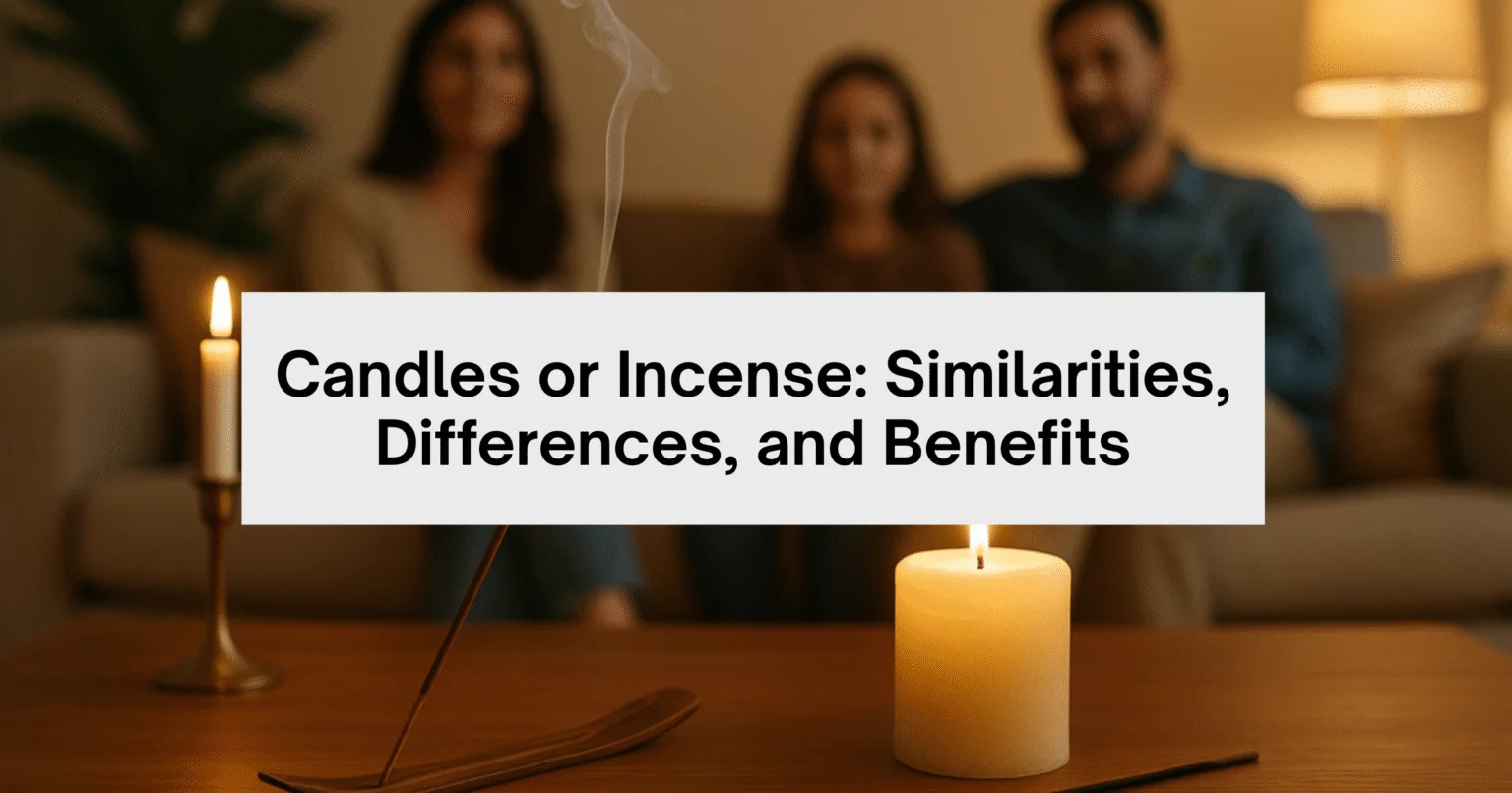
Candles rely on a controlled flame that melts wax infused with essential oils, while incense burns aromatic materials like resins, herbs, and wood powders to release smoke-based fragrance. This difference in scent diffusion mechanisms shapes everything from scent intensity to air quality.
Understanding this comparison helps you choose the right option for relaxation and mood enhancement, daily routines, or even spiritual practices. Some prefer subtle ambient scenting, while others want a bold, immersive fragrance experience.
This guide breaks down the real differences, based on use, performance, and practicality, so you can decide what fits your space and routine best.
Candles vs Incense: Key Comparison Factors
Fragrance Style and Scent Experience
The biggest difference between candles and incense lies in how fragrance is released and perceived.
Scented candles use wax as a medium. When the wick burns, heat melts the wax and slowly releases fragrance oils. This creates a smooth and layered aroma. In my living room, I often use soy candles because they produce a balanced scent that builds gradually without overwhelming the space. This method works well for consistent indoor air fragrance solutions where subtlety matters.
On the other hand, incense sticks and incense cones rely on combustion. Burning incense produces aromatic smoke that spreads quickly. The scent feels immediate and stronger. Traditional incense sticks made from sandalwood or resin blends often create a deeper and more earthy profile compared to fragrance candles.
This difference highlights two distinct fragrance delivery systems:
- Candles offer controlled, heat-based diffusion
- Incense provides rapid, smoke-based dispersion
When comparing candle fragrance vs incense smell, candles feel softer and more refined, while incense feels bold and immersive.
For smaller rooms or enclosed spaces, candles give better scent balance. For open areas or when you want a noticeable aroma instantly, incense performs better in terms of scent intensity and coverage.
Ambiance and Atmosphere
Fragrance alone does not define the experience. Visual and emotional elements play a major role in sensory environment design.
Candles create a warm glow that instantly changes the mood of a room. The flickering flame adds comfort and works well in evening settings. I often light beeswax candles during quiet evenings because the soft light complements relaxation. This is why candles are often linked with indoor atmosphere enhancement and modern home decor.
Incense creates a completely different ambiance. The rising smoke forms visible trails that add a sense of movement and depth. In many cultures, especially in India and other Asian regions, traditional incense sticks are used in पूजा and meditation. This ties incense closely to wellness rituals and sensory experience.
From a practical perspective:
- Candles support decorative and lifestyle-focused settings
- Incense supports spiritual and meditative environments
This contrast also reflects traditional vs modern scenting. Candles dominate Western decor trends, while incense carries deep roots in Eastern rituals.
If your goal is relaxation with visual comfort, candles work better. If your focus is mindfulness or spiritual ambiance, incense aligns more naturally with that purpose.
Health and Air Quality Impact
Air quality is often overlooked in a candles vs incense benefits comparison, but it plays a critical role in daily use.
Candles, especially soy candles and beeswax candles, burn relatively clean when made with high-quality wax and cotton wicks. They produce minimal soot if trimmed properly. I noticed a significant difference when I switched from paraffin wax candles to soy-based options. The air felt cleaner, and surfaces stayed free from black residue.
Incense behaves differently. Burning incense releases smoke and fine particles. While the fragrance feels rich, it can affect sensitive individuals, especially in poorly ventilated spaces. This is why many people now look for smokeless incense alternatives or limit usage to short sessions.
Key differences in flame-based vs smoke-based fragrance:
- Candles produce low smoke and cleaner burn when maintained well
- Incense produces visible smoke and higher particulate levels
Proper ventilation improves both experiences. Open windows or airflow reduces buildup and keeps the environment comfortable.
For daily indoor use, candles generally offer a better balance between fragrance and air quality. Incense works best in controlled durations or open spaces.
Burn Time and Longevity
When evaluating value for money and practical usage, burn duration becomes a deciding factor.
Wax candles are designed for extended use. A standard medium-sized candle can burn for several hours, depending on wax composition and wick size. In my experience, a well-made soy candle provides steady output across multiple sessions, which improves overall fragrance longevity during and after burn. The scent lingers subtly even after extinguishing the flame.
Incense sticks, in contrast, burn faster. Most sticks last between 20 to 45 minutes, while incense cones may burn even shorter. However, their fragrance release is more concentrated within that time. This creates a strong but short-lived sensory impact.
From a measurable perspective:
- Candles offer longer burn time and slower wax consumption rate
- Incense delivers shorter incense burn duration but quicker scent saturation
For daily ambient use, candles reduce frequent replacement. Incense may require higher refill or replacement frequency, especially if used multiple times a day.
If your goal is long sessions with steady scent output, candles perform better. If you prefer short bursts of fragrance with quick effect, incense fits that pattern.
Ease of Use and Maintenance
Both options are simple, but their maintenance differs in practical ways.
Candles require minimal setup. You light the wick, let the wax pool form evenly, and occasionally trim the wick. Over time, I learned that proper wick trimming improves burn quality and maintains consistent intensity consistency. Cleanup is also straightforward, especially with container-based candles.
Incense requires a holder and careful placement. Burning incense leaves behind ash, which needs regular cleaning. While the setup takes only a few seconds, the maintenance requirement increases slightly due to ash disposal.
Key usability differences:
- Candles involve wax pooling but less residue spread
- Incense involves ash formation and surface cleanup
For everyday convenience, candles feel more user-friendly. Incense requires a bit more attention, especially indoors.
Safety Considerations
Safety depends on usage habits rather than the product alone, but each option has distinct risks.
Candles involve an open flame. Risks include wax spills, overheating containers, and accidental contact with flammable materials. I always place candles on stable surfaces and avoid leaving them unattended.
Incense introduces a different risk profile. While the flame is smaller, burning incense produces falling ash. If not placed properly, it can damage surfaces or create minor fire hazards. Additionally, smoke inhalation may affect sensitive individuals.
Comparing safety factors:
- Candles carry flame-related risks and heat output concerns
- Incense carries smoke exposure and ash-related risks
Both require basic precautions:
- Never leave unattended
- Use proper holders or containers
- Keep away from children and pets
With mindful use, both are safe. The difference lies in managing either flame or smoke exposure.
Variety and Types Available
The range of products available today reflects evolving preferences in natural fragrance products and modern lifestyle needs.
Candles come in multiple forms:
- Soy candles for clean burn
- Beeswax candles for natural purity
- Essential oil candles for aromatherapy
- Decorative and container-based options for interior styling
This diversity supports fragrance layering techniques, where multiple scents can be combined within a space.
Incense also offers variety:
- Traditional incense sticks for everyday use
- Incense cones for compact, intense fragrance
- Resin-based incense for ritualistic settings
These formats differ in burn structure, using sticks, cones, or loose materials instead of a wick.
Another important distinction:
- Candles usually come in containers or jars
- Incense is often non-container based and requires external holders
This affects both portability and setup.
From a broader perspective, candles dominate modern home scent products, while incense maintains strong cultural and ceremonial relevance.
Best Use Cases: When to Choose Each
Choosing between candles and incense becomes easier when matched to specific use cases.
Candles work best for:
- Daily home fragrance
- Relaxing evenings
- Decorative setups
- Consistent scent diffusion in small to medium rooms
Their balanced scent throw and clean burn make them ideal for long-duration use.
Incense works best for:
- Meditation and spiritual ambiance
- Short, focused sessions
- Large or open spaces needing quick fragrance spread
- Cultural or ritualistic practices
Their strong aroma and smoke-based diffusion suit intentional use rather than continuous background scenting.
From personal use, I rely on candles during work or relaxation hours, while incense becomes part of occasional mindfulness routines. This combination creates a flexible and effective approach to ambient scenting techniques.
Conclusion
Both candles and incense serve the same purpose at a surface level, but their experience, performance, and impact differ significantly when you look deeper.
Candles provide a controlled, clean, and visually calming experience. Their steady scent diffusion, longer burn time, and low smoke output make them suitable for everyday use. They support modern lifestyle needs, especially when you want consistent fragrance without affecting air comfort. In my routine, candles remain the default choice for work, relaxation, and evening ambiance because they balance scent and environment so well.
Incense offers a more intense and traditional experience. Its fast fragrance release and strong aroma create a deeper sensory impact. It works best for meditation, spiritual practices, or short sessions where you want immediate presence. The smoke and bold scent profile make it more situational rather than something I use continuously.
If you simplify the decision:
- Choose candles for subtle fragrance, clean burn, and long sessions
- Choose incense for strong scent, quick effect, and ritualistic use
Many people eventually use both, depending on mood and purpose. This approach creates a well-rounded fragrance setup that adapts to different needs.
If you are looking to build a refined and consistent home fragrance setup, high-quality candles make a strong foundation. You can explore premium options from Lume & Wick to create a balanced and elevated sensory environment.