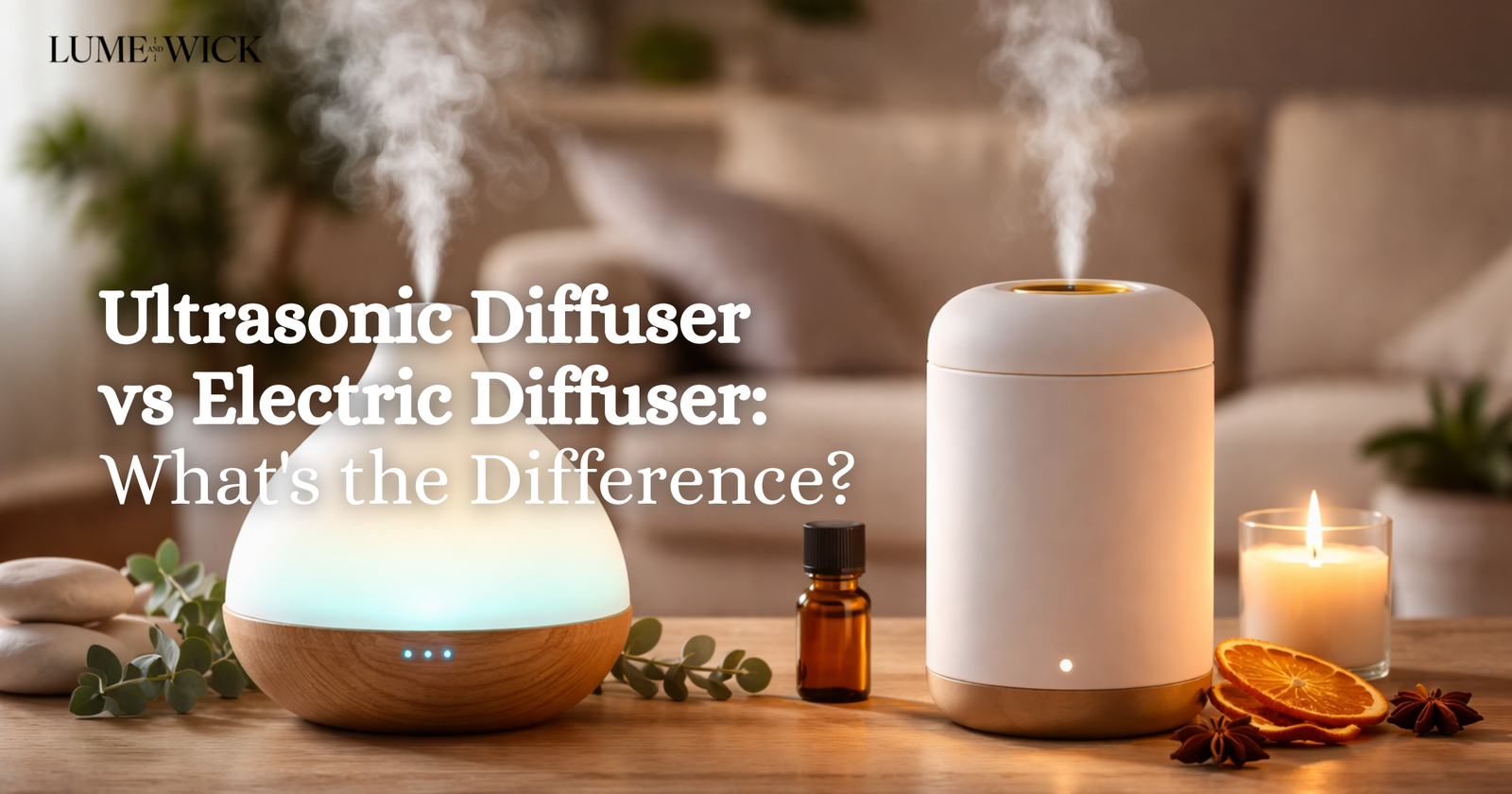
Choosing between an ultrasonic diffuser and an electric diffuser often feels confusing, especially when both promise better fragrance, relaxation, and improved indoor comfort. I faced the same dilemma while setting up a consistent home fragrance routine.
After testing both types in my bedroom and workspace, I realized that each diffuser works on a completely different fragrance diffusion method and serves different needs.
This guide is not just a basic aromatherapy diffuser comparison. It explains how these home fragrance devices function, how they affect essential oil dispersion, and which one delivers better performance based on real usage.
If you are looking for a reliable oil diffuser for home, understanding these differences will help you make a practical decision rather than relying on generic recommendations.
An ultrasonic diffuser is a water-based scent diffuser device that uses ultrasonic vibration technology to convert essential oils and water into a fine cool mist. It works through a water-based diffusion mechanism where high-frequency vibrations create micro-particle mist without using heat.
I use an ultrasonic aroma diffuser daily, and it releases a soft, consistent mist that spreads fragrance evenly across the room. This essential oil delivery system disperses oil molecules gradually, which maintains balanced scent intensity instead of creating a sharp or overpowering aroma. It functions as a misting diffuser rather than an essential oil vaporizer.
An ultrasonic diffuser also works as an air humidifying diffuser. It adds moisture to indoor air, which improves breathing comfort in dry environments. I noticed better air quality and reduced dryness during long hours in air conditioning. This makes it effective for indoor air fragrance solutions along with comfort improvement.
This diffuser operates with silent operation, which makes it ideal for bedrooms, meditation areas, and night use. Most diffuser units include timer and auto shut-off features, which improve safety and daily usability.
An ultrasonic diffuser preserves essential oil quality because it does not use heat. It maintains the natural chemical composition of oils, which supports wellness diffuser technology and therapeutic aroma devices where oil integrity matters.
An electric diffuser is a heat-based fragrance diffuser that uses heat-based evaporation to convert essential oils into aromatic vapor. It works as an oil vaporization device that heats oil directly instead of producing mist.
I tested an electric aroma diffuser and noticed that it delivers strong fragrance almost instantly. The direct oil heating system increases evaporation rate, which allows the fragrance disperser to release scent quickly into the air. This makes it effective for fast scent diffusion in smaller spaces.
An electric diffuser operates with no-water operation, which simplifies usage. It does not require water filling or tank cleaning, which reduces maintenance time. It works as a compact oil aroma machine designed for direct and quick scent output.
An electric diffuser affects essential oil composition due to heat exposure. Continuous heating can cause essential oil degradation, which reduces therapeutic properties. This makes it more suitable as a fragrance-focused home scenting device rather than a wellness diffuser.
This diffuser remains simple and user-friendly. It requires minimal setup, uses compact design, and includes safety features such as overheating protection for indoor usage.
An electric diffuser delivers higher scent intensity and faster diffusion speed. However, it increases oil consumption rate, which impacts cost efficiency and requires more frequent refills during regular use.
The core difference lies in how each diffuser handles essential oil atomization. An ultrasonic aroma diffuser relies on cold diffusion vs heat diffusion principles, where ultrasonic vibration technology converts water and oil into a fine mist. This creates a soft and consistent essential oil dispersion across the room.
An electric aroma diffuser works as a heat-based diffuser using direct oil heating. This oil vaporization device increases evaporation rate and releases fragrance quickly. While both are effective home scenting devices, their fragrance diffusion methods produce completely different experiences. One focuses on gradual mist dispersion, while the other delivers immediate vapor-based aroma.
Fragrance intensity depends on how the scent is released into the air. In my experience, an electric fragrance diffuser produces a stronger and more noticeable scent within minutes. This high scent throw efficiency makes it suitable for situations where quick impact matters.
An ultrasonic mist diffuser provides a more controlled aroma intensity variation. Instead of a sharp burst, it builds fragrance gradually, creating a balanced and long-lasting environment. This makes it ideal for daily use where subtle scent layering feels more comfortable than overpowering fragrance.
If aromatherapy benefits matter, this is where the difference becomes significant. Ultrasonic diffusers support oil preservation without heat, which helps maintain the natural chemical composition of essential oils. This is essential for therapeutic aroma devices where wellness support and relaxation depend on oil purity.
Electric diffusers, due to essential oil degradation with heat, may alter delicate compounds. While the scent still feels pleasant, it may not deliver the same aromatherapy diffuser comparison results as ultrasonic models. This makes ultrasonic units more aligned with spa diffuser systems and wellness-focused routines.
From an energy usage perspective, ultrasonic diffusers are generally more efficient. They rely on vibration rather than heating, which keeps energy consumption differences minimal even during long runtime duration.
Electric diffusers require continuous heating, which slightly increases energy usage in watts. While not significantly high, this difference becomes noticeable with daily usage. Over time, ultrasonic units tend to offer better cost efficiency and operational stability.
Ultrasonic diffusers act as aroma humidifiers by releasing moisture along with fragrance. This improves humidity output level, especially in dry indoor environments. I personally noticed better breathing comfort during extended AC usage when using an oil mist diffuser.
Electric diffusers do not contribute to air moisture. They function purely as air scent diffusers, focusing only on fragrance delivery. If your goal includes air freshness improvement along with humidity balance, ultrasonic models offer a more complete indoor air fragrance solution.
Oil consumption rate varies significantly between the two. Ultrasonic diffusers mix oil with water, which reduces oil usage and increases fragrance longevity. This also lowers refill frequency, making them more practical for regular use.
Electric diffusers use pure oil for evaporation. This increases evaporation rate and leads to faster oil consumption. While scent intensity is higher, it may reduce overall cost efficiency if used frequently.
Noise level plays an important role in bedrooms and relaxation spaces. Ultrasonic diffusers operate with near silent operation, often below noticeable dB levels. The soft mist and subtle sound create a calming spa-like environment.
Electric diffusers are also quiet, but they lack the ambient effect of visible mist. For sleep-focused use, ultrasonic models provide a more immersive and soothing experience, especially when combined with LED light integration and soft glow settings.
Maintenance frequency depends on design and usage pattern. Ultrasonic diffusers require regular cleaning due to water residue buildup differences. The tank needs periodic rinsing to maintain dispersion consistency and prevent clogging.
Electric diffusers are simpler in terms of maintenance time required. With no water involved, cleaning is minimal and mostly limited to surface wiping. This makes them a convenient option for users looking for low-maintenance home fragrance devices.
Pros:
Cons:
Pros:
Cons:
Choosing the right diffuser depends on how you plan to use it in your daily environment. After testing both types in different settings, the decision becomes clearer when you match features with real-life needs.
If your focus is aromatherapy benefits, relaxation, and long-term wellness support, an ultrasonic aroma diffuser fits better. It works as a therapeutic aroma device by maintaining oil purity and delivering a calm, spa-like environment. This makes it ideal for bedrooms, meditation corners, or evening routines.
For users who want strong and immediate fragrance, an electric aroma diffuser performs better. Its direct oil heating system increases scent intensity quickly, which works well in small rooms or when you need quick air freshness improvement before guests arrive.
In dry indoor environments, especially with continuous air conditioning, an ultrasonic mist machine provides added value through its built-in humidifier function. It improves breathing comfort and balances indoor air without requiring additional devices.
If simplicity and low maintenance matter more than aromatherapy, an electric fragrance diffuser becomes a practical choice. It functions as a straightforward home scenting device with minimal setup and cleaning effort.
For balanced daily usability, ultrasonic diffusers offer better overall performance efficiency. They combine fragrance, humidity, and quiet operation into one complete essential oil delivery system.
Ultrasonic and electric diffusers serve the same purpose but deliver completely different experiences. One focuses on gentle mist-based fragrance with wellness support, while the other prioritizes strong and fast scent output through heat-based evaporation.
If you value long-lasting fragrance, better air comfort, and true aromatherapy benefits, an ultrasonic diffuser stands out as the more versatile option. If your priority is quick fragrance intensity with minimal effort, an electric diffuser offers a simpler solution.
From my personal experience, investing in the right home fragrance devices changes how a space feels throughout the day. The right diffuser does not just add scent, it builds an environment.
If you are planning to upgrade your indoor air fragrance solutions, explore thoughtfully crafted options from Lume & Wick. Their range focuses on quality scent profiles and modern diffuser design that fits both everyday use and premium home settings.