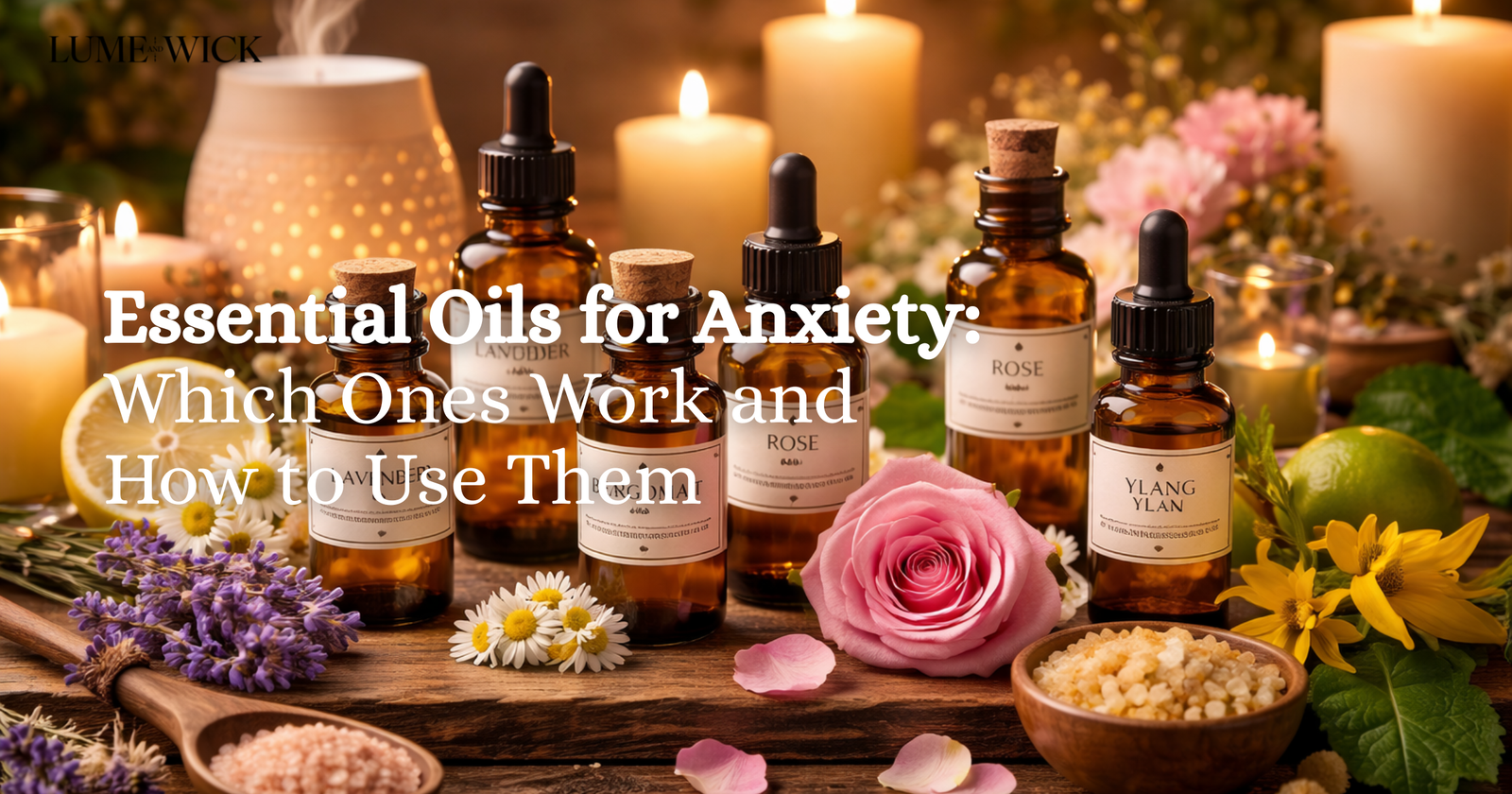
Anxiety often builds slowly through constant thoughts, poor sleep, or mental overload. I went through a phase where even small tasks felt heavy, and that is when I started exploring essential oils for anxiety as a simple, natural support tool.
Aromatherapy for anxiety uses plant-based extracts to influence mood, stress response, and emotional balance.
These oils interact with the brain through scent, helping create a calmer internal state. While they do not replace medical care, they fit well into holistic mental health care and daily stress management routines.
This guide focuses on calming essential oils that actually work, how they support the nervous system, and practical ways to use them for real results.
Essential oils are concentrated herbal extracts obtained from different parts of plants such as flowers, leaves, roots, and peels.
These oils carry active compounds that give plants their aroma and therapeutic effects.
When you inhale essential oils, tiny aroma molecules enter the nasal cavity and travel to the limbic system.
This part of the brain controls emotions, memory, and stress response. Because of this direct connection, therapeutic scents for relaxation can quickly influence how you feel.
For example, a calming scent can slow racing thoughts or reduce mental tension within minutes. This makes inhalation-based therapy one of the fastest ways to experience their effects.
Essential oils support nervous system calming methods by helping regulate stress hormones like cortisol.
Lower cortisol levels often lead to reduced tension, slower heart rate, and improved emotional control.
From personal use, I noticed that consistent use creates a stable environment rather than an instant fix. Over time, it supports better emotional balance and mood support.
These oils work because they combine sensory input with physiological response.
They are part of mind-body relaxation practices that connect breathing, scent, and awareness.
They are especially useful for people looking for anxiety management without medication or those who want to complement other therapies.
Lavender oil is extracted from the flowers of the Lavandula plant. It is one of the most widely used essential oils for anxiety because of its consistent calming effect and strong clinical evidence support level.
It is commonly used in sleep products, stress relief blends, and relaxation therapies due to its versatile nature and balanced aroma.
Lavender contains linalool and linalyl acetate, which are known for their calming and sedative-like natural effects. These compounds influence brain activity and help reduce overstimulation.
They also contribute to fast-acting aroma compounds, which is why lavender often works quickly when inhaled.
Lavender oil calming effect supports cortisol reduction techniques and helps relax the nervous system. It reduces restlessness, improves sleep quality, and eases mental tension.
From my experience, it works best when anxiety shows up as sleeplessness or constant overthinking. It creates a calm environment that makes it easier to unwind naturally.
Chamomile oil is derived from chamomile flowers and is known for its soft and soothing profile. It is often used in herbal extracts for stress and relaxation blends.
It has a mild scent, making it suitable for people who prefer low-intensity aromas.
Chamomile contains apigenin and bisabolol, which contribute to its calming properties. These compounds are known to support relaxation without causing heavy sedation.
Chamomile oil for relaxation works by calming racing thoughts and reducing emotional reactivity. It is effective for situations where anxiety feels more mental than physical.
It also supports emotional balance and mood support by creating a sense of comfort and stability.
Bergamot oil is extracted from citrus peel and offers a unique combination of uplifting and calming effects. It is widely used in stress relief oils and mood-enhancing blends.
It contains limonene and linalool, which help improve mood while reducing stress signals.
Bergamot oil mood uplifting effect works by reducing stress hormones while improving emotional clarity. It does not create drowsiness, which makes it suitable for daytime use.
I often use it when I feel mentally drained but still need to stay focused. It helps create a lighter mental state without slowing productivity.
Frankincense oil is derived from tree resin and has been used in traditional practices for centuries. It is known for its grounding and meditative properties.
It contains alpha-pinene and incensole acetate, which contribute to its calming and stabilizing effects.
Frankincense grounding properties support deep breathing and reduce mental noise. It helps slow down the body’s stress response and promotes inner stillness.
It works well for anxiety that feels overwhelming or difficult to control.
Ylang-ylang oil is extracted from tropical flowers and has a rich, floral aroma. It is commonly used in relaxing essential oil blends.
It contains germacrene and linalool, which contribute to its calming and tension-reducing effects.
Ylang-ylang stress reduction works by lowering heart rate and easing physical symptoms of anxiety. It helps the body relax, especially when stress shows up physically.
Clary sage oil is derived from a flowering herb and is known for its role in hormonal balance. It is often used in mood stabilizing natural remedies.
It contains linalyl acetate and sclareol, which influence mood and stress hormones.
Clary sage supports emotional regulation by balancing cortisol levels. It is especially useful for anxiety linked to hormonal changes.
Rose oil is extracted from fresh rose petals through steam distillation. It is known for its rich, floral scent and is often used in emotional healing and relaxation therapies.
It is considered one of the more premium oils due to the large quantity of petals required to produce a small amount.
Rose oil contains citronellol and geraniol. These compounds contribute to its soothing and emotionally stabilizing properties.
Rose supports emotional balance and mood support by reducing feelings of sadness, grief, and emotional heaviness. It works gently on the nervous system and creates a sense of comfort.
I personally reach for it during emotionally draining days. The scent feels grounding without being too strong.
Sandalwood oil is derived from the wood of sandalwood trees. It has a warm, woody scent and is commonly used in meditation practices.
It contains santalol, which is known for its calming and focus-enhancing effects.
Sandalwood helps reduce mental clutter and supports focus while calming the mind. It is ideal for people who feel anxious due to constant thinking or distraction.
It creates a steady state of calm without making you feel sleepy.
Vetiver oil is extracted from the roots of vetiver grass. It has a deep, earthy aroma that is often used for grounding.
It contains vetiverol and khusimol, which contribute to its stabilizing effects.
Vetiver is known for its strong impact on nervous system calming methods. It slows down overstimulation and promotes a sense of stability.
This oil works best when anxiety feels intense or long-lasting. It provides a deeper level of relaxation compared to lighter oils.
Sweet orange oil is extracted from citrus peel and is widely available. It has a bright, refreshing scent that feels energizing.
It mainly contains limonene, which is known for its uplifting properties.
This oil reduces stress and improves mood without creating heaviness. It is ideal for situations where you feel low or mentally tired.
It works well as part of natural anxiety remedies oils for daily use.
Lemon oil is another citrus-based oil known for its clean and sharp scent. It is often used in productivity-focused blends.
It contains limonene and beta-pinene, which help improve alertness and reduce stress.
Lemon oil helps clear mental fog and supports clarity. It reduces stress linked to fatigue or overload.
I find it useful during work hours when anxiety mixes with low energy.
Patchouli oil is extracted from leaves and has a deep, earthy scent. It is often used in grounding blends.
It contains patchoulol, which supports emotional balance.
Patchouli helps stabilize mood and reduce emotional swings. It creates a grounding effect that supports long-term calm.
It is useful when anxiety feels unstable or unpredictable.
Neroli oil is derived from orange blossoms and has a soft floral scent. It is often used in premium relaxation blends.
It contains linalool and limonene, which support calming effects.
Neroli helps reduce anxiety and supports sleep. It creates a calming environment that helps the body relax naturally.
It works well for people who struggle with both stress and sleep issues.
Geranium oil is extracted from leaves and flowers and is known for its balancing properties.
It contains citronellol and geraniol, which help stabilize mood.
Geranium supports emotional regulation by balancing mood fluctuations. It is often used in hormonal and stress-related anxiety.
Cedarwood oil is extracted from the wood of cedar trees. It has a warm, woody aroma that feels grounding and comforting.
It contains cedrol, a compound known to support relaxation and sleep cycles.
Cedarwood promotes sleep support with essential oils by encouraging melatonin release. It helps calm the mind and prepares the body for rest.
It works well when anxiety shows up at night or disrupts sleep patterns.
Diffusers disperse essential oils into the air, creating a consistent environment. This method offers good diffusion time and coverage, making it ideal for daily use.
Use 5 to 7 drops depending on room size. This method works well for anxiety diffuser oils and long-lasting relaxation.
Topical use allows oils to absorb through the skin. Always follow dilution ratio guidelines using a carrier oil.
Apply to pulse points such as wrists, temples, and neck. This improves absorption rate through skin and provides a longer duration of relaxation effect.
Direct inhalation works fastest. Add a drop to a tissue or inhale from the bottle.
This method is useful for oils for panic attacks and sudden stress.
Adding oils to a bath creates a complete relaxation experience. Always mix with a carrier oil first.
This method supports mind-body relaxation practices and deeper calm.
Different oils suit different needs. Choosing the right one improves effectiveness for anxiety relief.
Personal preference also matters. Aroma intensity and scent profile influence how effective an oil feels.
Research suggests that essential oils can support anxiety relief, especially in mild to moderate cases.
Their clinical evidence support level varies by oil, but many show positive results in reducing stress and improving relaxation.
They work best when combined with lifestyle practices such as breathing exercises, sleep routines, and mindfulness.
Essential oils offer a practical way to manage anxiety using natural anxiety remedies oils that support both mind and body. From calming oils like lavender to grounding options like vetiver, each oil provides a unique way to restore balance.
From personal experience, the key lies in consistency and choosing the right oils for your needs. Small habits like diffusing oils before sleep or using a quick inhalation method during stress can create noticeable changes over time.
If you are looking to explore high-quality aromatherapy products, you can check out Lume & Wick. Their blends are thoughtfully crafted for relaxation, making it easier to experience the benefits of essential oils in a simple and effective way.